Euro
 British Pound

Product Description
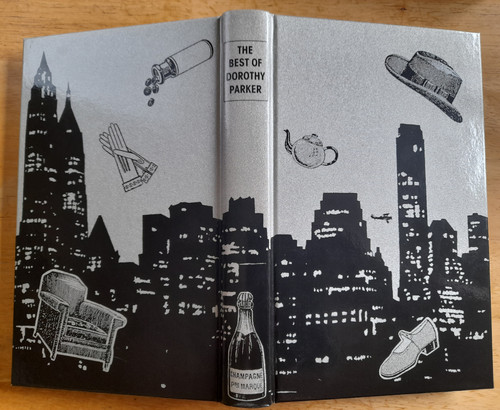
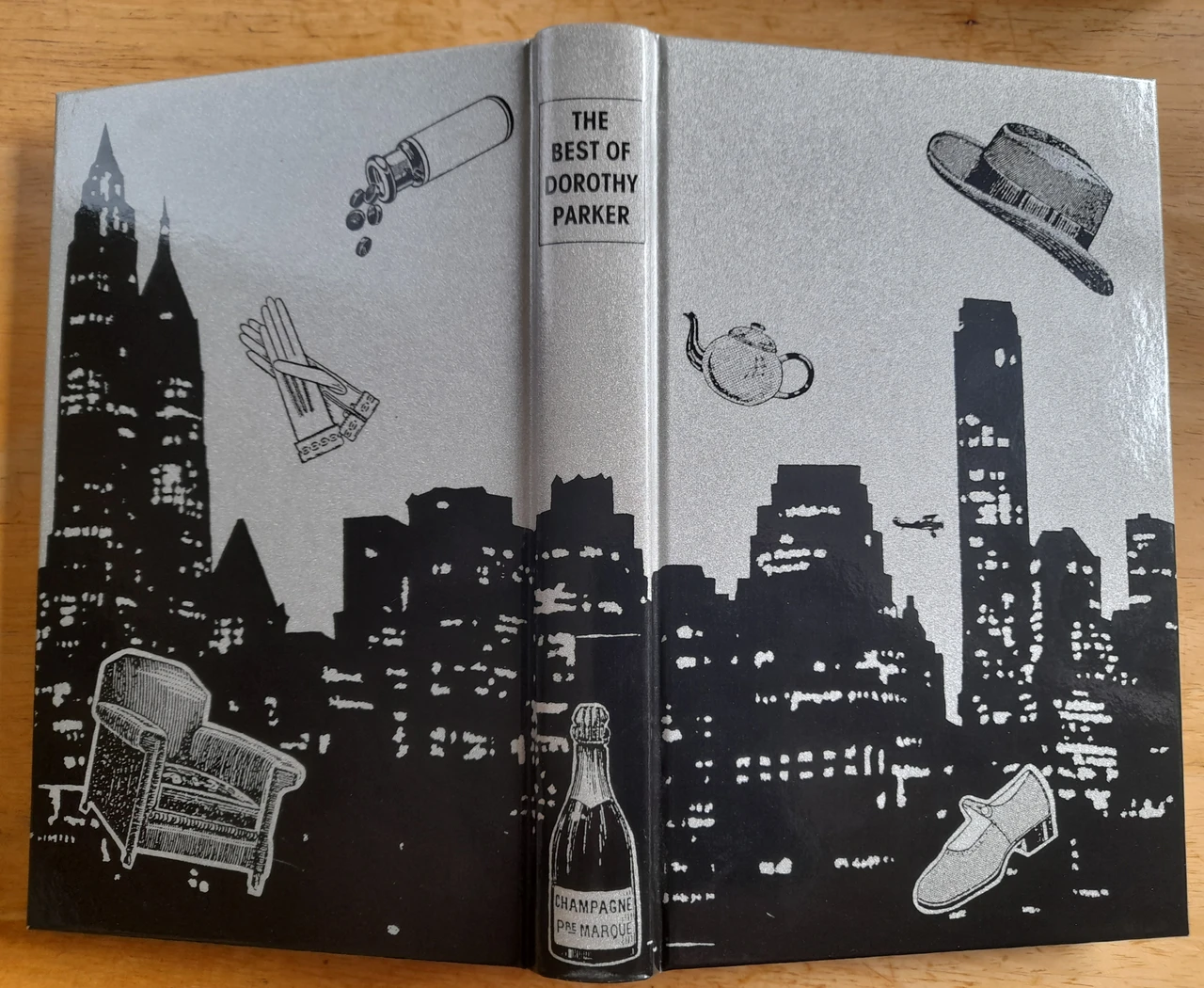
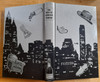
1995 Folio Society UK . some spotting and foxing to page block ends, the laminate on the book itself has some production creases.
Poet, theatre critic, raconteur, philanthropist – Dorothy Parker was all of these and so much more. And while her quotes and one-liners were laugh-out-loud caustic keepers, this selection delves deeper into Parker’s literary repertoire, bringing together the best of her short fiction and poetry in a gorgeous new edition with a binding as dazzling, and illustrations as attention-grabbing, as the words they surround. From droll and pithy to heartfelt and melancholy, the entries have been carefully chosen to show off Parker’s creative flexibility. The order follows no discernible logic; it simply reflects her wonderful writerly train of thought.
Parker’s effortless quick wit, enviable mastery of the English language and the endurance of her spirit means her work remains widely admired and habitually quoted. A New Yorker through and through, she had the city in the palm of her hand at a time when offices and social institutions still revolved around the old boys’ network. Such was her charm and influence that Parker was a founding member of the celebrated Algonquin Round Table – a group of writers, actors, critics and editors who regularly met in the Pergola Room of the Algonquin Hotel for lunches fuelled by booze and literary banter.
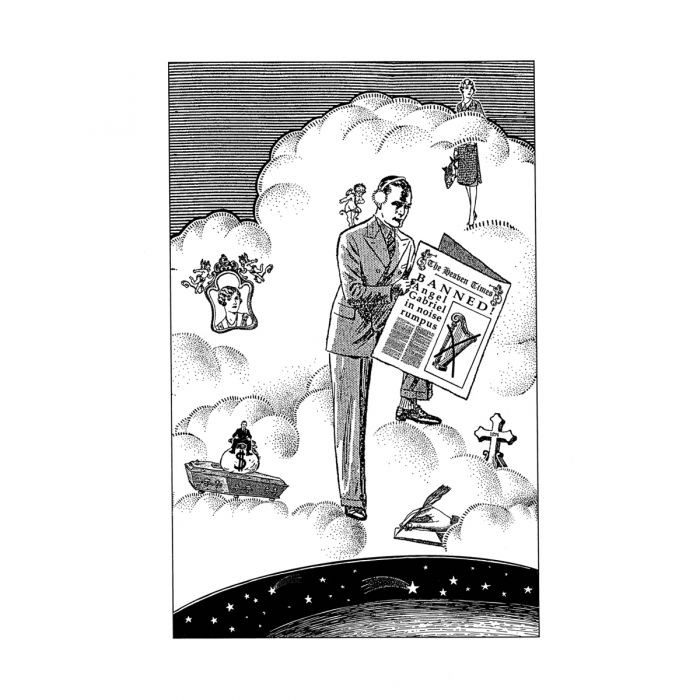
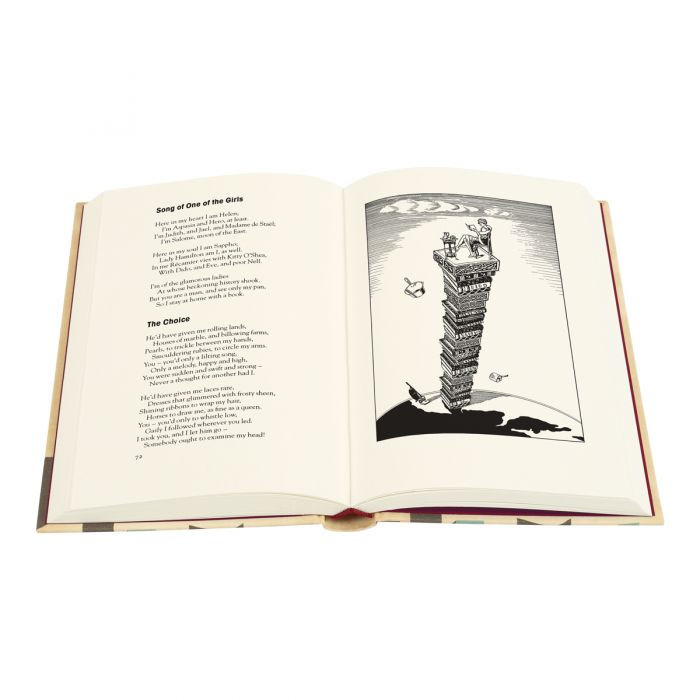
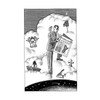
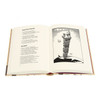
Incredibly, illustrator Helen Smithson has managed to capture the many facets of Parker’s personality in her captivating line drawings. Like Parker herself, the illustrations are more than the sum of their parts; simple black-and-white sketches that offer incredible insight into the woman behind the brash mouth and big personality.
Take me or leave me, or as is the usual order of things, both.
Wit has truth in it. Wisecracking is simply calisthenics with words.
Dorothy Parker was born in New Jersey in 1893. She grew up in Manhattan, attending a Catholic grammar school and afterwards a finishing school. Her literary career began in 1914 when Parker began an editorial job at Vogue, she was 21. In 1917 she went to work at Vanity Fair as the theatre critic but continued to write poems for other magazines and newspapers. As her reputation increased, she became a well-known face among the literary circle of New York, and in 1919 Parker co-founded the Algonquin Round Table writers’ group. Her first poetry collection, Enough Rope (1926), was a bestseller and she followed this with Sunset Gun (1928) and Death and Taxes (1931). Parker’s fiction collection Laments for the Living was published in 1930. Parker wrote numerous screenplays for MGM and Paramount with her second husband Alan Campbell, and continued writing short fiction. She was inducted into the American Academy of Arts and Letters in 1959 and died in New York in 1967, aged 73.