Euro
 British Pound

Product Description
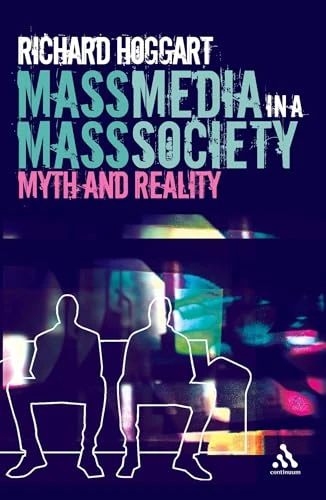
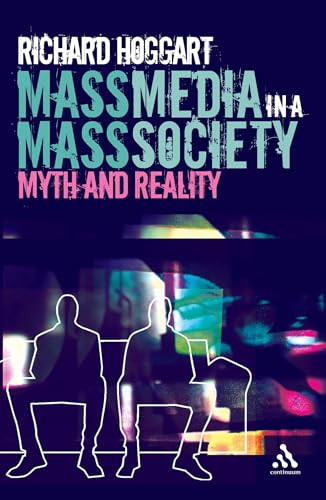
Richard Hoggart, famous for his writings on literature, education, and the means of communication, and especially for his influential The Uses of Literacy, has written a new work in which he looks at the ways in which mass communications in the twenty-first century both encourage and hinder greater understanding of the modern world. Hoggart takes a number of aspects of mass society today - celebrity worship, youth culture, broadcasting, and a decline in the proper use of language - and considers the paradox that the ready accessibility of information of all types does not automatically lead to greater comprehension of our world. Information itself is inert and only leads to knowledge if it has been ordered and assessed. He assesses the slow but uninterrupted dissolution of old beliefs, in particular the widespread corruption of language that has arisen as a result of the erosion of the traditional pillars of authority throughout a century and a half of sustained intellectual criticism of existing assumptions and beliefs, especially in the religious sphere. The central focus of the book is an examination of broadcasting as the prime disseminator of mass information. Hoggart makes an impassioned argument for Public Service Broadcasting in its truest form, and sees the Public Service ideal as coming increasingly under attack from today's BBC broadcasters who seem to believe that the overwhelming function of television today is to entertain.
This book is second hand, and while you may not get the same publication/version/reprint/edition shown in the picture it will be the same author and title.
Removing existing stickers from a second hand book may damage it, so we refrain from doing so.
Even if the picture shows no price stickers on the book they may be there on the copy you receive.
All of our books are in very good condition.
Please be aware that there will be a sticker with an identifying number on the spine of this book.